
Blastocyst Transfer Implantation in NOIDA/DELHI
When you're undergoing IVF treatment, every stage of the process feels important. From ovarian stimulation and egg retrieval to embryo development, each step brings you closer to your goal of becoming a parent.
One of the most crucial decisions during an IVF cycle is determining the best time to transfer an embryo. In many cases, Blastocyst Transfer can help improve the chances of implantation and a successful pregnancy by allowing embryologists to select embryos that have demonstrated strong developmental potential.
Dr. Shipra Singla carefully evaluates every IVF cycle and recommends blastocyst transfer when it is the most appropriate option for maximizing treatment outcomes. By combining advanced fertility techniques with personalized care, she helps patients move forward with confidence during their fertility journey.
What is a Blastocyst Transfer?
A blastocyst is an embryo that has developed in the laboratory for approximately five to six days after fertilization.
During the early stages of IVF, fertilized eggs begin dividing and growing into embryos. While some embryo transfers are performed on Day 2 or Day 3, many fertility specialists now prefer transferring embryos at the blastocyst stage (Day 5 or Day 6) when appropriate.
At this stage, the embryo has undergone additional development, making it easier for embryologists to assess its quality and implantation potential.
A Blastocyst Transfer involves placing a Day 5 or Day 6 embryo into the uterus with the goal of achieving pregnancy.
Why is Blastocyst Transfer Important?
In a natural pregnancy, an embryo typically reaches the uterus several days after fertilization. Blastocyst transfer more closely mimics this natural timing.
By allowing embryos to develop for a longer period before transfer, fertility specialists can better identify those with the highest potential for successful implantation.
This approach may offer several advantages for selected patients undergoing IVF treatment.
When Does Dr. Shipra Singla Recommend Blastocyst Transfer?
Not every IVF cycle is the same, and treatment decisions are always personalized.
Dr. Shipra Singla may recommend blastocyst transfer in situations such as:
- Patients with multiple developing embryos
- Good embryo growth during IVF
- Previous unsuccessful IVF cycles
- Patients seeking single embryo transfer
- IVF cycles involving genetic testing
The decision depends on factors such as embryo quality, patient age, fertility diagnosis, and overall treatment goals.
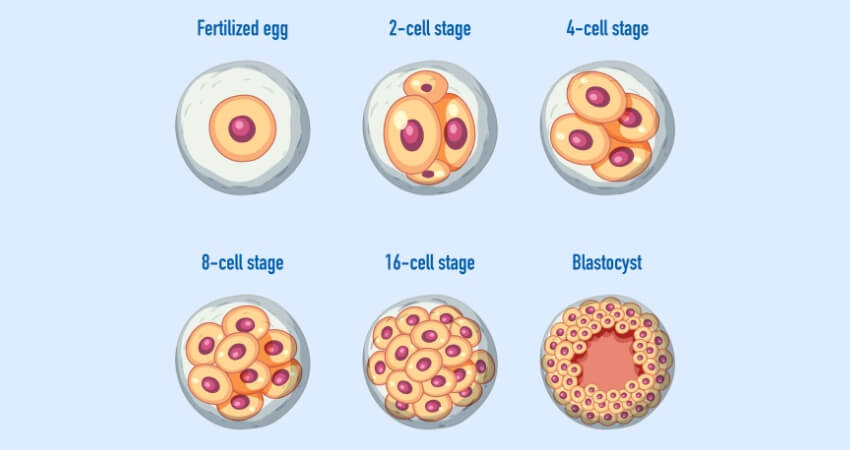
Understanding Embryo Development
To understand blastocyst transfer, it helps to know how embryos develop after fertilization.
Day 1: Fertilization
The sperm successfully fertilizes the egg.
Day 2–3: Cleavage Stage Embryo
The embryo begins dividing into multiple cells.
Day 4: Morula Stage
The cells continue multiplying and compacting together.
Day 5–6: Blastocyst Stage
The embryo develops into a more advanced structure containing:
- An inner cell mass that can develop into the baby
- An outer cell layer that forms the placenta
- A fluid-filled cavity
At this stage, embryologists can assess embryo development more accurately before transfer.
Benefits of Blastocyst Transfer
Blastocyst transfer has become an important part of modern IVF treatment because it offers several potential advantages.
Better Embryo Selection
Allowing embryos to develop to the blastocyst stage provides additional information about their growth and quality.
This helps embryologists identify embryos with stronger developmental potential.
Improved Implantation Potential
Blastocysts are more developmentally advanced and may have a greater likelihood of implanting successfully within the uterus.
Supports Single Embryo Transfer
Because good quality blastocysts can be selected more carefully, many patients can achieve pregnancy with the transfer of a single embryo.
This reduces the risk of multiple pregnancies while maintaining strong success rates.
Closer to Natural Reproductive Timing
Blastocyst transfer more closely resembles what happens naturally during conception, as embryos typically reach the uterus several days after fertilization.
Helpful for Genetic Testing
When preimplantation genetic testing (PGT) is recommended, blastocyst-stage embryos are often preferred because they provide enough cells for biopsy while preserving embryo viability.
What Happens During a Blastocyst Transfer?
Many patients are relieved to learn that the transfer procedure itself is usually simple and painless.
Preparing for Transfer
Before the transfer, Dr. Shipra Singla carefully reviews embryo development and determines the most suitable embryo for transfer.
The uterine lining is also evaluated to ensure it is ready to support implantation.
The Transfer Procedure
The selected blastocyst is placed into the uterus using a thin, flexible catheter.
The procedure:
- Usually takes only a few minutes
- Does not require anesthesia
- Is generally painless
- Allows patients to return home shortly afterward
Many patients describe the experience as similar to a routine gynecological examination.
Fresh Blastocyst Transfer vs Frozen Blastocyst Transfer
Depending on your treatment plan, blastocyst transfer may be performed using either a fresh or frozen embryo.
Fresh Blastocyst Transfer
A fresh transfer occurs during the same IVF cycle in which the embryos are created.
Frozen Blastocyst Transfer (FET)
A frozen blastocyst transfer involves freezing embryos for future use and transferring them during a later cycle.
Frozen embryo transfer may be recommended when:
- Additional uterine preparation is needed
- Genetic testing is performed
- Hormone levels are not ideal for immediate transfer
- Fertility preservation is desired
Dr. Shipra Singla carefully determines which option is most suitable based on your individual circumstances.
Who May Benefit Most from Blastocyst Transfer?
Blastocyst transfer may be particularly beneficial for:
- Patients with several healthy embryos
- Women undergoing IVF treatment
- Patients planning genetic testing
- Couples with previous IVF failures
- Individuals seeking single embryo transfer
- Patients with good embryo development
However, every fertility journey is unique, and treatment decisions should always be individualized.
Blastocyst Transfer Success Factors
Many patients ask whether blastocyst transfer guarantees pregnancy.
While no fertility treatment can guarantee success, several factors influence outcomes, including:
- Maternal age
- Egg quality
- Sperm quality
- Embryo quality
- Uterine health
- Overall reproductive health
The goal of blastocyst transfer is to improve chances of successful implantation whenever possible.
During your consultation, Dr. Shipra Singla will discuss realistic expectations based on your specific fertility profile.
Dr. Shipra Singla's Approach to Blastocyst Transfer
Every fertility treatment plan is tailored to the individual patient.
Dr. Shipra Singla believes in combining advanced reproductive technology with personalized fertility care to achieve the best possible outcomes.
Her approach includes:
- Detailed fertility evaluation
- Individualized IVF planning
- Advanced embryo assessment
- Evidence-based treatment decisions
- Careful monitoring throughout treatment
- Transparent communication
- Compassionate patient support
Patients appreciate having a fertility specialist who explains every stage of treatment and helps them make informed decisions with confidence.
Frequently Asked Questions About Blastocyst Transfer
Is blastocyst transfer better than Day 3 embryo transfer?
For many patients, blastocyst transfer allows for better embryo quality and may improve implantation potential. However, the best option depends on individual circumstances.
Is the blastocyst transfer procedure painful?
The procedure is generally painless and does not require anesthesia.
How long does a blastocyst transfer take?
The transfer itself usually takes only a few minutes, although the appointment may be slightly longer.
Can frozen blastocysts be successfully transferred?
Yes. Frozen blastocyst transfer is a widely used and effective fertility treatment option.
Does blastocyst transfer guarantee pregnancy?
No fertility treatment can guarantee pregnancy, but blastocyst transfer can improve embryo quality and support successful implantation in many patients.
Take the Next Step Toward Parenthood
If you're planning IVF treatment or would like to understand whether blastocyst transfer may improve your chances of success, expert guidance can help you make informed decisions about your fertility care.
Schedule a consultation with Dr. Shipra Singla today to discuss your treatment options, evaluate your fertility health, and learn how advanced embryo transfer techniques can support your path to parenthood.
Because every embryo represents hope—and every step forward brings you closer to the family you've been dreaming of.