
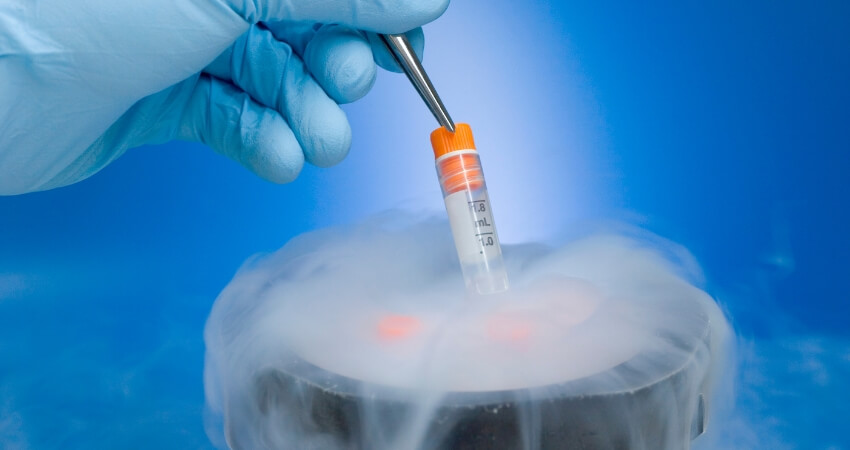
Fertility Preservation in NOIDA/DELHI
Life doesn't always follow a timeline. Some people choose to focus on their education, career, relationships, or personal goals before starting a family. Others may face medical conditions or treatments that could affect their fertility. Whatever the reason, many individuals today are looking for ways to preserve their fertility and keep their future family-building options open.
This is where Fertility Preservation can make a significant difference.
Fertility preservation allows individuals to safeguard their reproductive potential by freezing eggs, sperm, embryos, or reproductive tissue for future use. It provides peace of mind and flexibility, knowing that you may still have the opportunity to pursue parenthood later in life.
Dr. Shipra Singla offers personalized fertility preservation counseling and treatment plans tailored to each patient's circumstances, helping them make informed decisions about their reproductive future.
What Is Fertility Preservation?
Fertility preservation refers to a range of medical techniques used to protect and store reproductive cells or tissues for future pregnancy.
These options may include:
- Egg Freezing (Oocyte Cryopreservation)
- Embryo Freezing
- Sperm Freezing
- Ovarian Tissue Preservation (in selected cases)
The goal is simple: to preserve fertility today so that you may have the option of building a family in the future when the time is right.
Whether you're delaying parenthood by choice or facing a medical condition that may affect fertility, fertility preservation can offer valuable reproductive security.
Why Do People Choose Fertility Preservation?
Every individual's situation is different. Some patients are planning for the future, while others need urgent fertility protection before medical treatment.
Common reasons for fertility preservation include:
Delaying Parenthood
Many women and men choose to postpone having children while focusing on:
- Career goals
- Higher education
- Financial stability
- Personal development
- Finding the right life partner
Fertility preservation allows them to protect their reproductive potential while maintaining flexibility for the future.
Cancer Treatment
Certain cancer treatments such as chemotherapy, radiation therapy, and surgery can affect fertility.
Preserving eggs, sperm, or embryos before treatment may provide future family-building opportunities after recovery.
Medical Conditions Affecting Fertility
Conditions that may impact fertility include:
- Endometriosis
- Autoimmune diseases
- Premature ovarian insufficiency
- Genetic disorders
- Certain gynecological conditions
Early fertility preservation may help protect future reproductive options.
Declining Fertility with Age
Female fertility naturally declines with age, particularly after the mid-30s. Egg quality and quantity decrease over time, which can make conception more difficult later in life.
Many women choose egg freezing as a proactive step to preserve healthier eggs at a younger age.
Egg Freezing (Oocyte Cryopreservation)
What Is Egg Freezing?
Egg freezing involves collecting mature eggs from the ovaries and freezing them for future use.
When the patient is ready to pursue pregnancy, the eggs can be thawed, fertilized through IVF, and transferred into the uterus.
Egg freezing has become one of the most popular fertility preservation options for women who wish to delay childbearing without losing future reproductive opportunities.
Who May Benefit from Egg Freezing?
Egg freezing may be suitable for:
- Women delaying pregnancy
- Women pursuing career goals
- Patients undergoing cancer treatment
- Women with declining ovarian reserve
- Individuals with a family history of early menopause
- Patients undergoing fertility-impacting medical treatments
The earlier eggs are frozen, the greater the likelihood of preserving higher-quality eggs for future use.
Embryo Freezing
What Is Embryo Freezing?
Embryo freezing involves fertilizing eggs with sperm through IVF and freezing the resulting embryos for future use.
This option is often chosen by:
- Married couples
- Couples planning future pregnancies
- Patients undergoing IVF treatment
- Individuals preparing for medical treatments that may affect fertility
Embryos can remain frozen for years and later be thawed and transferred when pregnancy is desired.
Benefits of Embryo Freezing
Some advantages include:
- Preserving embryos created at a younger reproductive age
- Future pregnancy opportunities without repeating egg retrieval
- Flexibility in family planning
- Support for fertility preservation before medical treatment
Embryo freezing has become a valuable part of modern fertility care for many couples.
Sperm Freezing
What Is Sperm Freezing?
Sperm freezing, also known as sperm cryopreservation, allows men to preserve sperm samples for future fertility treatment.
The samples are collected, processed, and stored under carefully controlled laboratory conditions.
When needed, the sperm can be thawed and used in fertility treatments such as IUI, IVF, or ICSI.
Who Should Consider Sperm Freezing?
Sperm preservation may be recommended for:
- Men undergoing cancer treatment
- Patients having surgeries that may affect fertility
- Men with declining sperm quality
- Individuals planning fertility treatment in the future
- Men who wish to preserve fertility before certain medical procedures
Sperm freezing provides an opportunity to safeguard future reproductive options even when fertility may later be affected.
Understanding the Fertility Preservation Process
The process depends on the type of fertility preservation being performed.
Initial Consultation
Your journey begins with a detailed consultation with Dr. Shipra Singla.
During this appointment, your fertility goals, medical history, age, and reproductive health are carefully reviewed.
Fertility Assessment
Depending on the treatment plan, testing may include:
- Hormone evaluation
- Ultrasound examinations
- Ovarian reserve testing
- Semen analysis
- Medical screening
Treatment Planning
A personalized fertility preservation strategy is developed based on your current health and future family-building goals.
Collection and Freezing
Eggs, embryos, or sperm are collected and preserved using advanced cryopreservation techniques designed to maintain long-term viability.
When Is the Best Time for Fertility Preservation?
One of the most common questions patients ask is, "When should I preserve my fertility?"
The answer depends on your individual circumstances.
However, fertility preservation is generally most effective when performed at a younger reproductive age because:
- Egg quality is typically higher
- Ovarian reserve is stronger
- Sperm quality may be better
- Future pregnancy success rates may improve
Early consultation allows more options and greater flexibility in planning for the future.
Dr. Shipra Singla's Approach to Fertility Preservation
Choosing fertility preservation is a major personal decision, and every patient's goals are unique.
Dr. Shipra Singla believes in providing clear information, realistic expectations, and personalized guidance throughout the process.
Her approach focuses on:
- Comprehensive fertility evaluation
- Individualized treatment planning
- Advanced cryopreservation techniques
- Evidence-based fertility care
- Transparent communication
- Long-term reproductive planning
- Compassionate patient support
The goal is not simply to preserve reproductive cells but to help patients feel empowered and confident about their future fertility choices.
Frequently Asked Questions About Fertility Preservation
Is fertility preservation only for women?
No. Both men and women can preserve their fertility through techniques such as egg freezing, sperm freezing, and embryo freezing.
How long can eggs, embryos, or sperm remain frozen?
Modern cryopreservation techniques allow reproductive cells and embryos to be stored for many years under appropriate laboratory conditions.
Does fertility preservation guarantee pregnancy later?
No fertility treatment can guarantee pregnancy. However, preserving reproductive cells at a younger age may improve future family-building opportunities.
Is egg freezing painful?
Egg retrieval is a minimally invasive procedure performed under sedation, and most patients recover quickly.
When should I consider fertility preservation?
The best time varies depending on age, reproductive health, and personal circumstances. An early consultation can help determine the most suitable timing.
Take Control of Your Future Fertility
Whether you're planning ahead, focusing on personal goals, or preparing for medical treatment, fertility preservation gives you the opportunity to protect your future family-building options.
Schedule a consultation with Dr. Shipra Singla today to discuss fertility preservation, explore your options, and create a personalized plan that supports your reproductive goals for the future.
Because, while life may not always follow a schedule, your dreams of parenthood deserve every opportunity to remain within reach.