
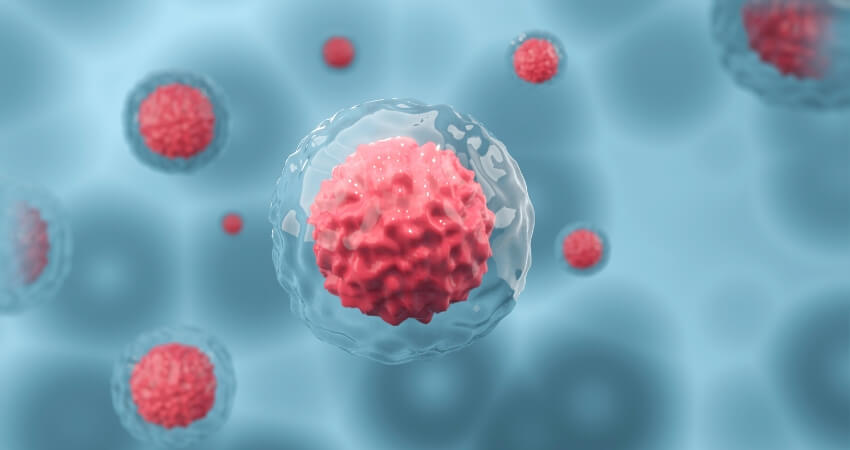
Frozen Embryo Transfer
The journey to parenthood is unique for every couple. For some, achieving pregnancy may require fertility treatment, while others may already have frozen embryos from a previous IVF cycle and are ready to take the next step.
Frozen Embryo Transfer (FET) is an advanced fertility treatment that involves transferring a previously frozen embryo into the uterus in the hope of achieving a successful pregnancy.
Over the years, Frozen Embryo Transfer has become an important part of modern IVF treatment. Advances in embryo freezing techniques have improved success rates and provided patients with greater flexibility during their fertility journey.
As a fertility specialist, I work closely with every patient to create a personalized treatment plan and ensure the best possible conditions for embryo implantation and pregnancy.
What Is Frozen Embryo Transfer (FET)?
Frozen Embryo Transfer, commonly known as FET, is a procedure in which a frozen embryo is thawed and transferred into the uterus during a carefully monitored treatment cycle.
The embryo may have been frozen during a previous IVF cycle and stored for future use.
Once transferred, the goal is for the embryo to implant in the uterine lining and develop into a healthy pregnancy.
FET allows patients to use previously created embryos without undergoing another egg retrieval cycle, making it an effective and convenient fertility treatment option.
Why Is Frozen Embryo Transfer Performed?
Frozen Embryo Transfer may be recommended for several reasons, including:
Remaining Embryos from a Previous IVF Cycle
Many couples choose to freeze additional healthy embryos after a successful IVF cycle. These embryos can later be used for future pregnancy attempts without repeating ovarian stimulation and egg retrieval.
Better Uterine Preparation
In some cases, transferring embryos in a later cycle allows more time to prepare the uterine lining, creating favorable conditions for implantation.
Family Planning
Frozen embryos can be stored for future pregnancies, giving couples flexibility when planning their family.
Genetic Testing of Embryos
When embryos undergo Preimplantation Genetic Testing (PGT), they are usually frozen while test results are awaited. Healthy embryos can then be transferred in a subsequent FET cycle.
Fertility Preservation
Patients who have preserved embryos before medical treatment or for future family planning may later undergo Frozen Embryo Transfer when they are ready to conceive.
Who May Benefit from Frozen Embryo Transfer?
Frozen Embryo Transfer may be suitable for:
Couples with frozen embryos from a previous IVF cycle
Patients undergoing IVF with genetic testing
Women requiring additional uterine preparation before embryo transfer
Individuals who have preserved embryos for future family planning
Patients seeking another pregnancy using previously frozen embryos
Every patient's situation is unique, and a detailed fertility evaluation helps determine the most appropriate treatment approach.
Understanding the Frozen Embryo Transfer Process
Initial Consultation
Your treatment begins with a detailed consultation where I review your fertility history, previous IVF treatment, embryo quality, and overall reproductive health.
Preparing the Uterine Lining
A healthy uterine lining is essential for successful embryo implantation.
Depending on your individual treatment plan, the lining may be prepared naturally or with hormonal medications to create the ideal environment for pregnancy.
Monitoring
Ultrasound examinations and hormone assessments help determine the best timing for embryo transfer.
Careful monitoring ensures that the uterus is ready to receive the embryo.
Embryo Thawing
On the day of the procedure, the frozen embryo is carefully thawed by experienced embryologists using advanced laboratory techniques.
Embryo Transfer
The embryo is gently placed into the uterus using a thin catheter. The procedure is simple, usually painless, and does not require anesthesia.
Patients can typically return to their normal routine shortly afterward.
Pregnancy Test
Approximately 10 to 14 days after the embryo transfer, a blood test is performed to determine whether pregnancy has been achieved.
Benefits of Frozen Embryo Transfer
Frozen Embryo Transfer offers several advantages, including:
Uses previously created embryos without another egg retrieval cycle
Less physically demanding than a full IVF cycle
Greater flexibility in treatment planning
Allows optimal preparation of the uterine lining
Supports future family-building goals
Enables the use of embryos preserved through fertility preservation
Can be used following genetic testing of embryos
For many patients, FET provides an efficient and effective pathway to pregnancy.
Frozen Embryo Transfer Success Rates
The success of Frozen Embryo Transfer depends on several factors, including:
Age at the time embryos were created
Embryo quality
Uterine health
Overall reproductive health
Underlying fertility conditions
Advances in embryo freezing and laboratory technology have significantly improved FET success rates, making it an important part of modern IVF treatment.
During your consultation, I will discuss your individual chances of success and help you understand what factors may influence treatment outcomes.
How Should You Prepare for Frozen Embryo Transfer?
Preparing for FET involves more than medical treatment alone.
Patients are often encouraged to:
Maintain a healthy lifestyle
Follow prescribed medications carefully
Attend all monitoring appointments
Manage stress levels
Eat a balanced diet
Avoid smoking and excessive alcohol consumption
Small lifestyle adjustments can help support overall reproductive health during treatment.
Dr. Shipra Singla's Approach to Frozen Embryo Transfer
Every embryo transfer represents an important step toward parenthood, and I believe every patient deserves personalized care and attention throughout the process.
My approach focuses on:
Comprehensive fertility evaluation
Individualized treatment planning
Advanced IVF and embryo transfer techniques
Evidence-based fertility care
Clear and transparent communication
Compassionate patient support
Close monitoring throughout treatment
My goal is to help patients feel informed, confident, and supported while maximizing the chances of a successful pregnancy.
Frequently Asked Questions About Frozen Embryo Transfer
Is Frozen Embryo Transfer painful?
No. The embryo transfer procedure is generally quick, comfortable, and does not require anesthesia.
How long does a Frozen Embryo Transfer cycle take?
The preparation phase usually takes a few weeks, depending on the treatment protocol and individual circumstances.
Are frozen embryos as effective as fresh embryos?
With modern freezing techniques, frozen embryos can achieve excellent pregnancy outcomes and are widely used in IVF treatment today.
Can I use embryos frozen several years ago?
Yes. Embryos can remain safely frozen for many years and may still be used successfully in future fertility treatment.
How soon can I take a pregnancy test after FET?
A blood pregnancy test is usually performed approximately 10 to 14 days after embryo transfer.
Take the Next Step Toward Parenthood
Schedule a consultation with Dr. Shipra Singla to discuss your fertility goals, review your treatment options, and create a personalized plan designed to maximize your chances of a healthy pregnancy.
Every fertility journey is unique, and together we can take the next step toward building the family you have been dreaming of.