
IVF Doctor in Mayur Vihar Phase -1
Months of trying to conceive often begin with optimism. As time passes, unanswered questions can become overwhelming. Is age playing a role? Could there be an ovulation problem? Does the issue lie with the male partner, or is IVF the next logical step? The answers are rarely straightforward, which is why consulting an experienced IVF Doctor in Mayur Vihar Phase - 1 can provide much-needed clarity before making treatment decisions.
Infertility is not a diagnosis with a single solution. Some couples conceive after correcting hormone imbalances or improving ovulation, while others benefit from assisted reproductive technology such as IUI or IVF. Identifying the underlying cause is the foundation of effective fertility treatment.
Dr. Shipra Singla, Director – Fertility & IVF Department, Cloudnine Hospitals Delhi & Noida, believes fertility care should never follow a fixed protocol. Every recommendation is based on detailed fertility evaluation, medical history, reproductive goals, and the unique circumstances of each patient.
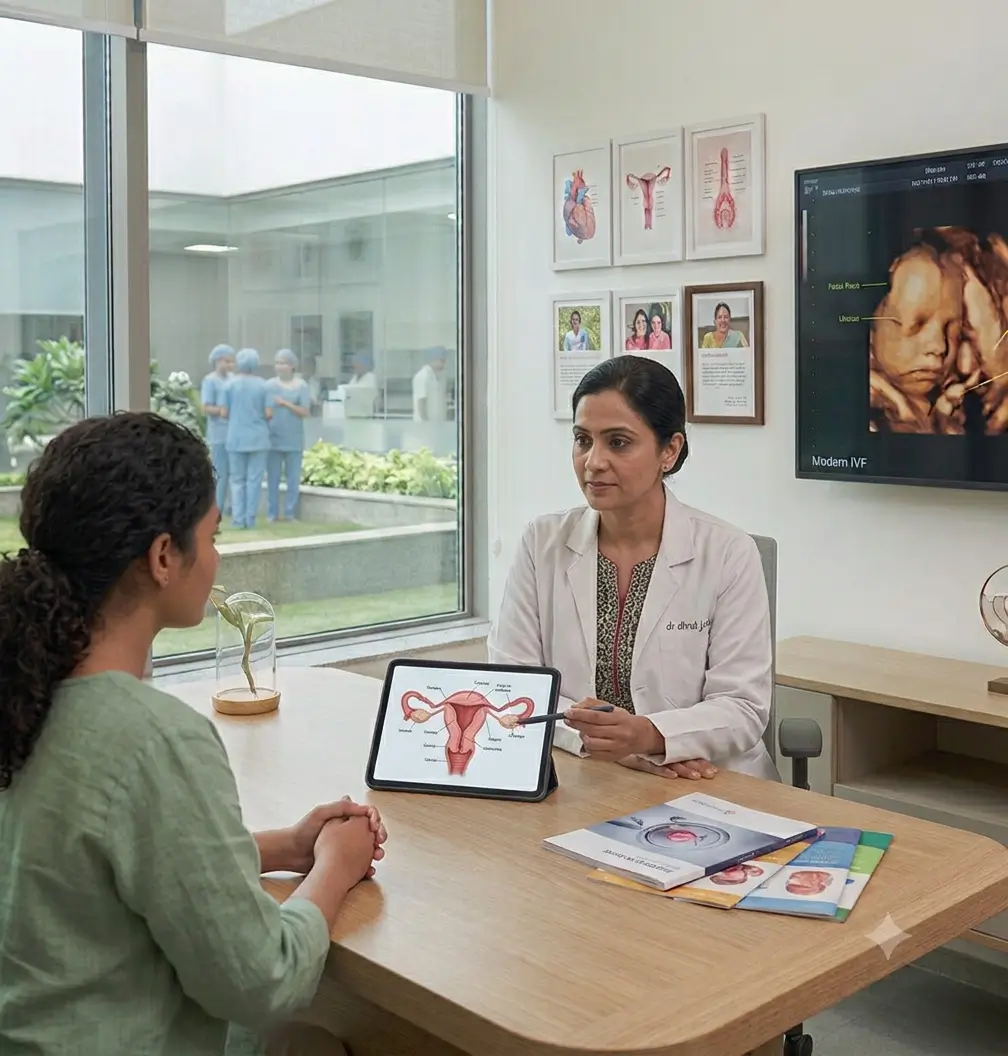
Is It Time to Consult a Fertility Specialist?
Many people postpone seeking help because they believe conception simply requires more time. While patience is reasonable during the early months, delaying evaluation can sometimes reduce available treatment options, especially for women over 35 years of age.
A consultation with a Fertility Doctor in Mayur Vihar Phase - 1 may be appropriate if:
- You have been trying to conceive for one year without success.
- You are over 35 and pregnancy has not occurred after six months.
- Your menstrual cycles are irregular, very infrequent, or absent.
- You have experienced recurrent miscarriages.
- You have been diagnosed with PCOS, endometriosis, or thyroid disorders.
- You have undergone previous fertility treatments without achieving pregnancy.
- Your partner has abnormal semen analysis results.
- You wish to preserve fertility before cancer treatment or delaying pregnancy.
One important clinical observation is that regular menstrual cycles do not always indicate normal fertility. Likewise, infertility cannot be assumed to be solely a female concern. Male fertility evaluation should always be part of the initial assessment, as male factors contribute to a significant proportion of infertility cases.
Early evaluation does not necessarily mean IVF will be recommended. In many situations, identifying and treating the underlying issue can improve the chances of natural conception or allow less complex fertility treatments to be considered first.
Meet Dr. Shipra Singla
Choosing an IVF Specialist in Mayur Vihar Phase - 1 involves finding someone who combines clinical expertise with clear communication and evidence-based decision-making.
Dr. Shipra Singla serves as the Director – Fertility & IVF Department at Cloudnine Hospitals Delhi & Noida and has extensive experience managing a broad spectrum of infertility conditions. Her clinical practice focuses on understanding the reasons behind infertility before recommending treatment, ensuring that patients receive care aligned with their diagnosis rather than a standard treatment pathway.
Academic Background
Dr. Shipra Singla's qualifications include:
- Gold Medallist in MS (Obstetrics & Gynaecology) from CMC, Ludhiana
- Advanced Fellowship in Reproductive Medicine
- Fellowship in Laparoscopy & Robotic Surgery
Her advanced training allows her to manage both routine fertility concerns and more complex reproductive conditions requiring specialised care.
Areas of Clinical Expertise
Her clinical experience includes the diagnosis and management of:
- Polycystic Ovary Syndrome (PCOS)
- Endometriosis
- Advanced maternal age
- Poor ovarian reserve
- Male infertility
- Recurrent IVF failure
- Implantation failure
- IVF and ICSI
- IUI
- Oocyte cryopreservation (egg freezing)
- Oncofertility
- Fertility-enhancing hysteroscopy
- Fertility-enhancing laparoscopy
Every treatment recommendation is guided by careful assessment rather than assumptions, recognising that infertility can have multiple contributing factors.
Commitment to Reproductive Medicine
Alongside patient care, Dr. Shipra Singla remains actively involved in reproductive medicine research. Her areas of interest include recurrent IVF failure, implantation failure, improving IVF outcomes, and identifying the optimal timing for fertility interventions.
She is also a member of respected professional organisations, including:
- European Society of Human Reproduction and Embryology (ESHRE)
- American Society for Reproductive Medicine (ASRM)
- Indian Fertility Society (IFS)
- Indian Society of Assisted Reproduction (ISAR)
- Association of Obstetricians & Gynaecologists (AOGD–FOGSI)
Continuous engagement with national and international professional societies supports the use of current evidence and accepted clinical practices in fertility care.
Why Understanding the Cause of Infertility Matters
One of the most common misconceptions is that every couple experiencing infertility requires IVF. In reality, IVF is only one of several available treatment options, and it is not always the starting point.
Successful fertility care begins with identifying the reason conception has not occurred. Female infertility may result from irregular ovulation, blocked fallopian tubes, endometriosis, reduced ovarian reserve, or age-related changes in egg quality. Male infertility may involve low sperm count, poor sperm movement, or abnormalities in sperm shape. In many cases, both partners contribute to the difficulty in conceiving.
This is why a detailed fertility evaluation is so valuable. It allows treatment to be selected based on the diagnosis rather than guesswork, helping couples avoid unnecessary procedures and make informed decisions about their reproductive health.
Deciding Between IUI, IVF, and ICSI: Which Treatment Is Appropriate?
One of the most common questions during a fertility consultation is, "Do I need IVF?" The answer depends entirely on the underlying cause of infertility. Assisted reproductive treatments are not chosen based on age alone or how long a couple has been trying to conceive. Instead, the decision is guided by fertility evaluation, medical history, ovarian reserve, sperm health, and previous treatment outcomes.
When Simpler Treatments May Be Enough
Many couples achieve pregnancy without IVF. If investigations show that ovulation is irregular but the fallopian tubes are healthy and sperm parameters are satisfactory, treatments such as ovulation induction or IUI (Intrauterine Insemination) may be considered first.
IUI involves placing specially prepared sperm inside the uterus around the time of ovulation, increasing the likelihood of fertilisation. It is often recommended for selected cases of unexplained infertility, mild male infertility, or ovulation disorders.
Choosing a less invasive treatment first, when medically appropriate, can help couples avoid unnecessary procedures.
When IVF Becomes the Preferred Option
IVF Treatment in Mayur Vihar Phase - 1 may be recommended when simpler treatments are unlikely to provide the desired outcome or have already been unsuccessful.
Situations where IVF is commonly considered include:
- Blocked or severely damaged fallopian tubes
- Advanced maternal age with declining egg quality
- Moderate to severe endometriosis
- Poor ovarian reserve requiring timely intervention
- Recurrent failure of IUI
- Certain cases of unexplained infertility
- Male infertility requiring advanced laboratory techniques
Every recommendation is made after reviewing the complete clinical picture rather than relying on a single test result.
When Is ICSI Recommended?
ICSI (Intracytoplasmic Sperm Injection) is not a separate treatment from IVF but an advanced fertilisation technique performed during an IVF cycle.
Instead of allowing sperm to fertilise an egg naturally in the laboratory, an embryologist injects one carefully selected sperm directly into a mature egg.
ICSI may be appropriate when:
- Sperm count is significantly low.
- Sperm movement is poor.
- Previous IVF cycles resulted in poor fertilisation.
- Surgically retrieved sperm are being used.
- Specific laboratory indications are present.
The decision to use ICSI is based on medical findings rather than preference alone.
Understanding Fertility Conditions Before Choosing Treatment
Effective infertility treatment begins with identifying why conception has not occurred. Several medical conditions can influence fertility, and each requires a different management strategy.
PCOS
Polycystic Ovary Syndrome affects hormone balance and ovulation. Some women ovulate only occasionally, while others may not ovulate at all.
A common misconception is that women with PCOS always require IVF. In reality, many conceive after improving ovulation through lifestyle modifications, medication, or carefully monitored fertility treatment.
Endometriosis
Endometriosis occurs when tissue similar to the uterine lining grows outside the uterus, sometimes affecting the ovaries, fallopian tubes, or pelvic organs.
Interestingly, the severity of pain does not always reflect the severity of the disease. Some women experience significant discomfort, while others have few symptoms despite extensive endometriosis.
Treatment depends on age, ovarian reserve, symptom severity, and previous attempts to conceive.
Poor Ovarian Reserve
Ovarian reserve refers to the remaining number of eggs within the ovaries.
A lower ovarian reserve does not automatically mean pregnancy is impossible. However, it may influence how quickly treatment should begin and which fertility options are likely to be most effective.
Blood tests and ultrasound scans provide useful information, but they are only one part of the overall fertility assessment.
Male Infertility
Male infertility is often underestimated. Even when the female partner has an identified fertility condition, semen analysis remains an essential investigation.
Modern fertility treatment offers several options for male infertility, ranging from lifestyle recommendations to ICSI when clinically indicated.
Evaluating both partners from the beginning allows treatment to be planned more efficiently.
Why Personalised Fertility Care Leads to Better Decisions
Two couples may receive completely different recommendations despite having similar symptoms. This is because infertility treatment should be based on diagnosis rather than routine.
Dr. Shipra Singla follows an evidence-based approach that considers:
- Female age
- Ovarian reserve
- Hormone profile
- Ultrasound findings
- Semen analysis
- Previous pregnancies or miscarriages
- Earlier fertility treatments
- Medical conditions such as PCOS, thyroid disorders, or endometriosis
- Personal reproductive goals
This individualised planning helps ensure that treatment is neither delayed unnecessarily nor escalated before it is medically appropriate.
Preparing for Fertility Treatment: Practical Steps Before You Begin
Preparing for fertility treatment involves more than scheduling appointments. Small lifestyle and health measures can support reproductive health and help create the best possible conditions before treatment starts.
Patients are often advised to:
- Maintain a healthy weight through balanced nutrition and regular exercise.
- Stop smoking and minimise alcohol intake, as both can affect egg and sperm quality.
- Keep diabetes, thyroid disorders, and other chronic conditions well controlled.
- Share details of previous fertility treatments and investigations during the first consultation.
- Inform the doctor about all medications and supplements currently being taken.
- Encourage both partners to participate in consultations whenever possible.
While these steps cannot overcome every cause of infertility, they contribute to better treatment planning and help address factors that may influence reproductive outcomes.
Questions Worth Asking During Your First Appointment
Preparing a few questions before your consultation can help you better understand your diagnosis and treatment options.
You may wish to ask:
- What is the most likely reason we have not conceived?
- Are additional investigations needed before treatment begins?
- Is IVF necessary, or are simpler treatments appropriate?
- What lifestyle changes could improve reproductive health?
- How will my age or ovarian reserve influence treatment decisions?
- If previous treatment failed, what will be done differently this time?
- What are the benefits and limitations of each available treatment option?
Open discussions encourage shared decision-making and help patients feel informed throughout the treatment process.
Your First Fertility Consultation: What Happens Next?
For many couples, the first appointment is reassuring because it focuses on understanding the problem rather than rushing into treatment. A Fertility Specialist in Mayur Vihar Phase - 1 begins by gathering information that helps build a complete picture of your reproductive health.
During the consultation, Dr. Shipra Singla discusses:
- How long you have been trying to conceive
- Menstrual cycle and ovulation history
- Previous pregnancies or miscarriages
- Earlier fertility treatments, if any
- Existing medical conditions and medications
- Lifestyle factors that may affect fertility
- The male partner's medical and reproductive history
Depending on the findings, your fertility evaluation may include hormone testing, pelvic ultrasound, ovarian reserve assessment, and semen analysis. Additional investigations are recommended only when they are clinically relevant.
The consultation also provides an opportunity to discuss concerns, understand available treatment options, and clarify expectations before making any decisions.
From Egg Retrieval to Embryo Transfer: Understanding the IVF Process
When IVF in Mayur Vihar Phase - 1 is recommended, knowing what happens at each stage can reduce uncertainty.
Ovarian Stimulation
Treatment begins with fertility medications that stimulate the ovaries to produce multiple mature eggs. Ultrasound scans and blood tests monitor the response so medication doses can be adjusted when required.
Egg Retrieval
Once the follicles have matured, the eggs are collected through a short procedure performed under sedation. Most women return home the same day after a brief recovery period.
Fertilisation and Embryo Development
The retrieved eggs are fertilised in a specialised embryology laboratory using either conventional IVF or ICSI, depending on the diagnosis.
The embryos are then monitored for several days. Their development helps determine the most suitable embryo for transfer or freezing.
Embryo Transfer
The selected embryo is placed inside the uterus using a soft catheter. The procedure is usually completed within a few minutes and generally does not require anaesthesia.
Pregnancy Assessment
A blood test approximately two weeks later confirms whether implantation has occurred.
Although IVF has helped many couples achieve pregnancy, success varies according to factors such as age, egg quality, sperm quality, uterine health, embryo development, and the underlying fertility condition. Understanding these factors allows patients to make informed decisions throughout treatment.
Why Patients from Mayur Vihar Phase - 1 Choose Dr. Shipra Singla
When selecting an IVF Doctor in Mayur Vihar Phase - 1, patients often value a specialist who combines scientific knowledge with clear communication and personalised care.
Many couples appreciate Dr. Shipra Singla's approach because she:
- Develops treatment plans based on detailed fertility evaluation rather than standard protocols.
- Has advanced training in reproductive medicine, laparoscopy, and robotic surgery.
- Manages both routine infertility cases and complex conditions such as recurrent IVF failure and implantation failure.
- Provides expertise across IVF, ICSI, IUI, egg freezing, oncofertility, and minimally invasive fertility procedures.
- Actively participates in reproductive medicine research to improve clinical decision-making.
- Encourages patients to understand every stage of treatment before proceeding.
The emphasis remains on recommending the right treatment at the right time, rather than simply recommending the most advanced procedure.
Serving Patients in and Around Mayur Vihar Phase - 1
Patients searching for an IVF Specialist in Mayur Vihar Phase - 1 often prefer a conveniently located fertility clinic that makes regular consultations and monitoring visits easier throughout treatment.
Dr. Shipra Singla provides fertility care for patients from Mayur Vihar Phase - 1 and nearby areas, including:
- Mayur Vihar Phase 2
- Mayur Vihar Phase 3
- Patparganj
- IP Extension
- Vasundhara Enclave
- Pandav Nagar
- Trilokpuri
- Kalyanpuri
- Akshardham
- Noida Sector 15
- Noida Sector 16
- Indirapuram
Convenient access can help patients stay consistent with investigations, monitoring appointments, and follow-up care during fertility treatment.
Fertility Habits That Often Make a Difference
While medical treatment plays an important role, everyday health choices also influence reproductive well-being.
Simple steps include:
- Seeking evaluation without unnecessary delay, especially after 35 years of age.
- Maintaining a healthy body weight.
- Avoiding tobacco and limiting alcohol intake.
- Managing thyroid disorders, diabetes, and other chronic conditions.
- Sleeping adequately and reducing prolonged stress where possible.
- Following prescribed medications instead of relying on unverified online advice.
- Ensuring both partners participate throughout the evaluation and treatment process.
These measures support overall reproductive health but should always complement professional medical care.
Common Misconceptions That Delay Fertility Care
Several misconceptions prevent couples from receiving timely treatment.
One of the most common is believing that trying for "just a few more months" will always improve the chances of pregnancy. For women with reduced ovarian reserve or advancing age, delaying evaluation may reduce future treatment options.
Another misunderstanding is assuming IVF guarantees pregnancy. While IVF is an effective assisted reproductive technology for many couples, outcomes vary depending on several medical and individual factors.
Some couples also overlook male fertility assessment. Since male infertility contributes to nearly half of infertility cases, evaluating both partners is essential for accurate diagnosis and treatment planning.
A Personalised Path Towards Better Fertility Decisions
Choosing an IVF Doctor in Mayur Vihar Phase - 1 is about finding a specialist who takes time to understand your medical history, explains every available option, and recommends treatment based on evidence rather than assumptions.
With advanced qualifications in reproductive medicine, ongoing research involvement, and experience treating a wide range of fertility conditions, Dr. Shipra Singla offers individualised care for couples seeking infertility treatment, second opinions, fertility preservation, or advanced assisted reproductive technology.
If you have concerns about conception, repeated pregnancy loss, PCOS, endometriosis, male infertility, or previous unsuccessful IVF cycles, a fertility consultation can help identify the underlying cause and guide you towards the most appropriate treatment plan.
Meet Our IVF Doctor in Noida/Delhi – Dr. Shipra Singla

Dr. Shipra Singla
MBBS, MS (Obs & Gynae),
Fellowship in Reproductive Medicine
Senior Fertility & IVF Specialist
Dr. Shipra Singla is the Director of the Fertility & IVF Department at Cloudnine Hospitals Delhi & Noida. She is an expert professional with an excellent academic background. She is a gold medallist in MS (Gynaecologist) from CMC, Ludhiana and has pursued advanced fellowships in Reproductive Medicine and Laparoscopy & Robotic Surgery.
Dr. Shipra Singla is well-regarded for her expertise in diagnosing and treating patients of PCOS, endometriosis, advanced age, poor ovarian reserve, recurrent IVF failures & male infertility. She is a dedicated fertility expert and provides personalised service to maximise patient outcomes and satisfaction. Her patient-centric approach ensures that each couple receives comprehensive fertility care tailored to their specific needs.
Her focus areas include IUI, IVF, ICSI, oocyte cryopreservation, oncofertility, fertility-enhancing hysteroscopy & laparoscopy surgeries. Dr. Shipra is actively engaged in research in the field of reproductive medicine & has participated successfully in various conferences & workshops as a faculty.
Dr. Shipra’s research focuses on how the timing of various fertility interventions may affect the outcomes and how to improve success rates in patients who have repeated IVF/implantation failure.
- European Society of Human Reproduction and Embryology (ESHRE)
- American Society for Reproductive Medicine (ASRM)
- Indian Fertility Society (IFS)
- Indian Society of Assisted Reproduction (ISAR)
- Association of Obstetricians & Gynaecologists (AOGD-FOGSI)
Best IVF Specialist in Delhi/Noida
Get affordable and transparent IVF treatment in Delhi/Noida with personalized care and advanced fertility solutions.
Frequently Asked Questions
Couples under 35 years should generally seek evaluation after one year of trying to conceive, while women aged 35 or above are advised to consult after six months.
No. Depending on the diagnosis, many couples conceive with ovulation induction, lifestyle changes, medication, or IUI before IVF becomes necessary.
Ovarian reserve refers to the remaining number of eggs in the ovaries. It helps doctors understand reproductive potential and plan appropriate fertility treatment.
Yes. Some women with minimal symptoms may still experience reduced fertility due to endometriosis.
Although commonly recommended for male infertility, ICSI may also be used after previous fertilisation failure or other laboratory indications.
Yes. Fertility assessment is more effective when both partners are evaluated together.
Yes. Egg freezing may be an appropriate option for women wishing to preserve fertility for future family planning or before certain medical treatments.
A second opinion may be valuable after repeated IVF failure, recurrent miscarriage, an unclear diagnosis, or when exploring different treatment options.
Most IVF cycles take around two to three weeks from ovarian stimulation to embryo transfer, although timelines vary depending on the treatment plan.
You can book an appointment through the hospital's appointment system to discuss your fertility concerns, undergo a comprehensive evaluation, and receive personalised treatment recommendations based on your reproductive goals.
Request a Callback
Error: Contact form not found.